Lawrence Okolie Fails Doping Test Days Before Paris Fight
The boxing world was rocked this week when Lawrence Okolie tested positive for a prohibited substance just days before his scheduled heavyweight bout against Olympic champion Tony Yoka in Paris. The 33-year-old Briton, a former cruiserweight world champion, now faces the prospect of his comeback fight collapsing before he even laces his gloves. With no official decision yet made, the entire event hangs in the balance — and the sport once again finds itself answering uncomfortable questions.
A Fight That Promised So Much
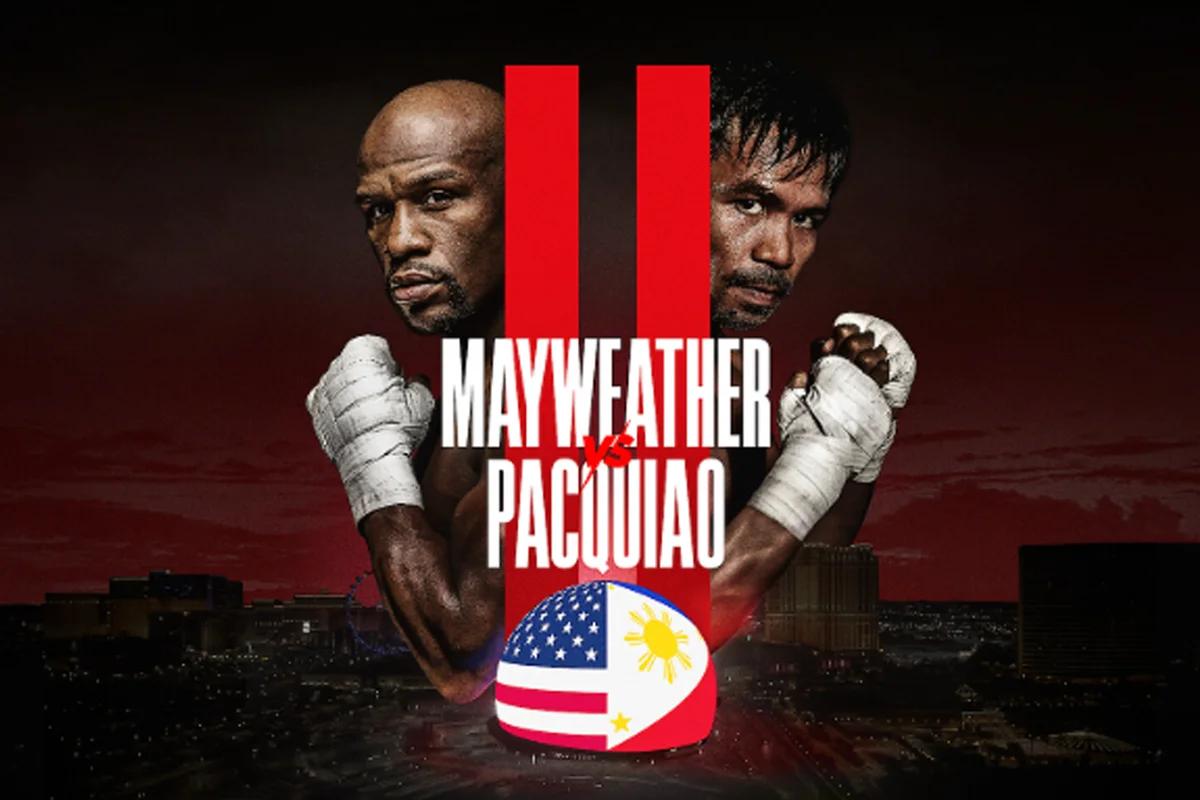
Saturday night in Paris was supposed to be a statement evening. Lawrence Okolie, stepping up to heavyweight after his reign as cruiserweight world champion, was set to face Tony Yoka on French soil — in front of the home crowd of the 2016 Olympic gold medalist. It was the kind of transatlantic matchup that generates genuine buzz: a former world champion looking to reestablish himself at the highest level, against a decorated amateur turned professional with serious credentials and a passionate home crowd behind him.
For Okolie, this fight represented more than just another entry on his record. It was a chance to prove that his move to the heavyweight division was serious business, not just a career experiment. For Yoka, fighting at home against a credible opponent was another step toward challenging for major titles. Both fighters had something real to gain. That is what makes the timing of this announcement so particularly damaging.
What the Test Revealed
The doping test was conducted by the Voluntary Anti-Doping Association, better known as VADA — one of the most respected independent anti-doping bodies in combat sports. VADA testing is voluntary, which means fighters and their promotional teams actively choose to subject themselves to this level of scrutiny. It is widely regarded as a gold standard in a sport where regulatory testing can vary enormously from one jurisdiction to another.
Okolie's promoter, Queensberry Promotions, confirmed the news publicly, acknowledging what they described as an "adverse finding." That term carries significant legal and regulatory weight. It means the sample returned a result that falls outside accepted parameters — not a technicality, not an administrative error, but a flagged substance. The specific substance has not been publicly disclosed, which leaves plenty of room for speculation but few concrete answers at this stage.
The British boxing authorities were contacted for a response but had not issued a statement at the time this story broke. That silence, however brief, only amplifies the uncertainty surrounding the situation.
The Chaos This Creates
The fallout from a positive doping test extends far beyond the two fighters involved. An entire event has been thrown into disarray. Undercard fighters who have spent weeks preparing for their own bouts now face an anxious wait to find out whether the entire card survives. Ticketholders, many of whom may have traveled to Paris specifically for this event, are left in limbo. Broadcasters, sponsors, and the local organizing team all face the same impossible question: what happens now?
The options on the table are limited. The fight could be postponed entirely. A replacement opponent could be found for Yoka at extremely short notice — a logistical nightmare in itself. Or the card could proceed without the headline bout, leaving a significant hole in what was supposed to be a major evening of heavyweight boxing. None of these scenarios are clean, and none of them are good for anyone involved.
What makes the situation even more delicate is the location. This is Paris, Yoka's home city, his turf. The promotional effort around this fight leaned heavily into that narrative. Pulling the main event days before fight night is not just a scheduling inconvenience — it is a significant blow to the local promotion and to Yoka himself, who has done nothing wrong and now finds his preparation potentially wasted.
Okolie's Reputation Takes Another Hit
Lawrence Okolie had worked hard to build a credible professional reputation. His cruiserweight title reign demonstrated that his amateur pedigree — he represented Great Britain at the 2016 Olympics — could translate into professional success. The move to heavyweight was ambitious, but ambition is not a flaw in boxing. It is a requirement.
This, however, is not the kind of headline any fighter wants in the days before a major bout. Whether the adverse finding ultimately leads to a formal suspension, a fine, or some other outcome, the reputational damage is immediate and real. Okolie's name is now attached to a doping story, and in a sport where trust and integrity underpin every contest, that association is difficult to shake regardless of what follows.
The next few days will be decisive. Official rulings take time, but the fight card does not have the luxury of waiting.